






What Is a Check Valve and Why Is It Important?
Author:bohansi Time:2026-07-31 14:16:34 Click:99
For plant engineers and procurement teams, few components are as quietly critical as the check valve. It has no actuator, no handwheel, and no control signal, yet it stands between a healthy process line and a catastrophic backflow event. In the field, we have watched a single undersized non-return valve allow reverse rotation that destroyed a feed pump within minutes. That experience shapes how manufacturers and suppliers approach specification today. This guide explains what a check valve does, the variants a factory typically produces, and the practical details that determine whether the component performs for years or fails in months.
Defining the Check Valve and Its Core Function
A check valve is a self-actuating, one-way isolation device. It opens when upstream pressure exceeds downstream pressure and closes automatically when flow reverses. Unlike a gate or ball valve that needs an operator or actuator, the non-return valve relies entirely on line pressure and a spring or gravity-assisted disc. This simplicity is its greatest strength: there is no external power, no control logic, and almost nothing to misconfigure. In most industrial layouts, the component is the last line of defense against reverse flow that can drain a column, contaminate a clean utility, or drive a compressor backwards.
Types Built by Valve Manufacturers
A reputable valve manufacturer offers several constructions, each tuned to a service condition rather than a generic spec:
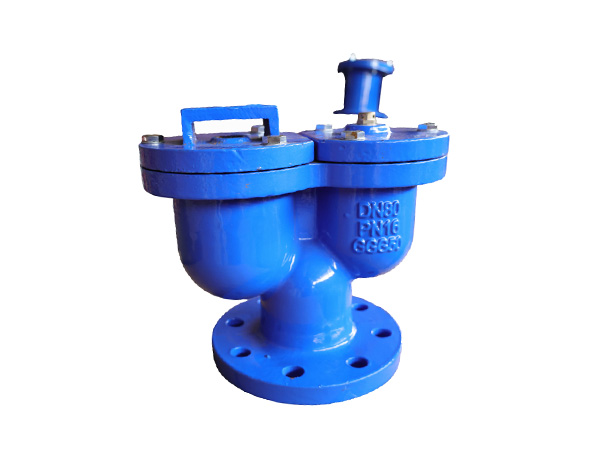
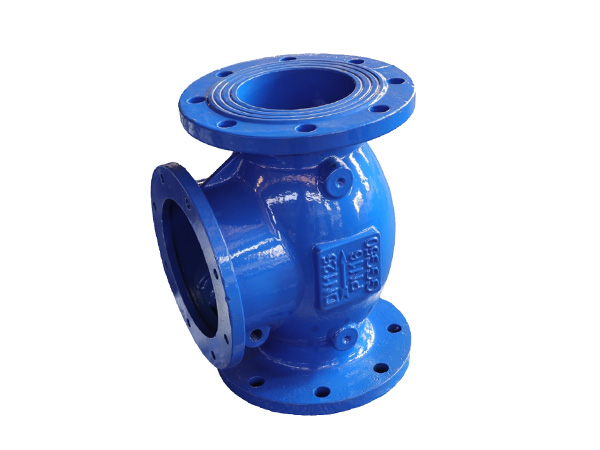
The swing check valve uses a hinged disc that swings open with forward flow and drops shut on reversal. It suits low-velocity, large-bore water and slurry lines where pressure loss must stay minimal. The lift check valve moves a piston or disc vertically along a guide, giving tighter shutoff and better performance in high-velocity or vertical upward service. The dual plate check valve packs two spring-loaded plates into a compact, lightweight body, which makes it a favorite for space-limited skids and offshore modules. The ball check valve seats a free or spring-loaded ball, ideal for small-bore dosing and slurry where a soft seat protects against particles. Finally, the wafer check valve mounts between flanges with no separate body width, trimming weight and cost in standardized piping.
How a Check Valve Protects Pumps and Compressors
Reverse flow is not merely an inconvenience. When a pump trips and the check valve fails to seat, the column above can reverse, spinning the impeller backwards at damaging speed and stripping the coupling. In compressor stations, backflow can push hydrocarbon gas into a suction header and create a flammable mixture. We routinely specify a non-return valve immediately downstream of each pump discharge and on every branch that could be isolated while a larger header remains live. The component also protects sensitive instruments such as flow meters and control valves from reverse-pressure spikes that shorten their service life.
Sizing, Pressure Class, and Material Selection
Correct sizing is where many projects go wrong. A valve chosen only by line diameter, without checking the closing velocity, will chatter and wear. Manufacturers rate bodies from 150 to 2500 class, and the selected rating must cover the worst-case deadhead pressure plus a margin. Material choice follows the medium: ductile iron and carbon steel for general water and steam, 304 or 316 stainless for corrosive or hygienic duty, and bronze or special alloys for seawater and sour service. A capable supplier will ask for the fluid, temperature, pressure, and solids loading before quoting, because those four numbers define the safe envelope far more than the bore alone.
Installation Practices from the Factory Floor
Even a perfectly built check valve underperforms if installed carelessly. Swing types need the hinge pin horizontal so the disc seats by gravity. Lift and dual-plate designs tolerate vertical runs but still demand the flow arrow be honored. We advise leaving clearances for in-line inspection and avoiding unsupported heavy bodies on thin-wall pipe. On skid builds, our factory positions the non-return valve close to the pump so the trapped reverse volume is small, which reduces water-hammer energy when the disc closes. Good suppliers provide orientation decals and torque tables that field crews actually use.
Commissioning, Maintenance, and Common Failure Modes
During commissioning, listen for chatter: a rhythmic rattle means the disc is bouncing because flow is near the closing threshold. Raising flow or fitting a spring-assisted model usually resolves it. The dominant failure modes we see are seat scoring from trapped debris, sluggish closing from tired springs, and external leakage past worn bonnet gaskets. A planned inspection every one to three years, depending on duty, catches most issues before they escalate. In dirty service, pairing the check valve with an upstream strainer extends seat life substantially.
Working with a Reliable Valve Supplier
For B2B buyers, the component is only half the decision. A dependable valve supplier demonstrates traceable material certificates, pressure-test reports, and recognized quality approvals such as ISO 9001 and, where relevant, API or CE marking. Manufacturers who run their own foundry and machining cells control lead time and can supply custom face-to-face dimensions or exotic alloys without a long detour. Ask about spare-disc kits and whether the factory stocks the sizes you standardize on, because a two-week gap during a shutdown is far costlier than a small price difference on the order.
Frequently Asked Questions
Can a check valve eliminate water hammer completely?
No. A check valve reduces water-hammer energy by closing fast on a small trapped volume, but slow-closing swing types can still contribute to surge. Pairing with surge vessels or soft-start pumps handles the rest.
Which check valve type suits vertical upward flow?
A lift check valve or a spring-loaded dual-plate design is preferred, because gravity alone will not reseat a swing disc against upward reverse flow.
How often should a check valve be inspected?
In clean, steady duty, every two to three years is typical. In slurry, steam, or cyclic service, annual inspection of the seat and spring is prudent.
What pressure class do I need for steam service?
Size to the saturated or superheated steam pressure plus temperature derating. A 300-class body is common for medium-pressure mains, but the manufacturer's temperature curve decides the safe limit.
Conclusion
The check valve is unremarkable until the moment it earns its place. Specified by type, pressure class, and material against the real duty, and sourced from a manufacturer that controls its own production, it protects pumps, compressors, and meters while demanding almost no attention. Treat it as a engineered safeguard rather than a commodity fitting, and it will repay the effort across the full life of the plant.
References
1. Crane Co. "Flow of Fluids Through Valves, Fittings, and Pipe." Technical Paper No. 410, revised edition, 2013.
2. Tullis, J. P. "Hydraulics of Pipelines: Pumps, Valves, Cavitation, Transients." John Wiley & Sons, 1989.
3. Karlsen, K. H., and Bratseth, A. "Dynamic behavior of non-return valves in water hammer analysis." Journal of Hydraulic Research, vol. 41, no. 3, pp. 273-281, 2003.
4. ISO 14725:2012. "Industrial valves - Check valves." International Organization for Standardization.
 HOT PRODUCT
 CONTACT US