






What Are Hydraulic Control Valves and How Do They Work?
Author:bohansi Time:2026-07-06 10:58:09 Click:53
Hydraulic control valves are essential components in fluid power systems, designed to regulate the flow, pressure, and direction of hydraulic fluid within industrial machinery. These precision-engineered devices play a critical role in ensuring operational efficiency, safety, and reliability across manufacturing, construction, and processing industries.
Understanding the Fundamentals of Hydraulic Control Valves
At their core, hydraulic control valves manage the movement and distribution of pressurized hydraulic fluid. By controlling parameters such as flow rate, pressure levels, and directional movement, these valves enable precise operation of hydraulic actuators including cylinders and motors. Industries ranging from automotive manufacturing to aerospace engineering rely on these components for consistent, repeatable performance.
Key Components and Construction
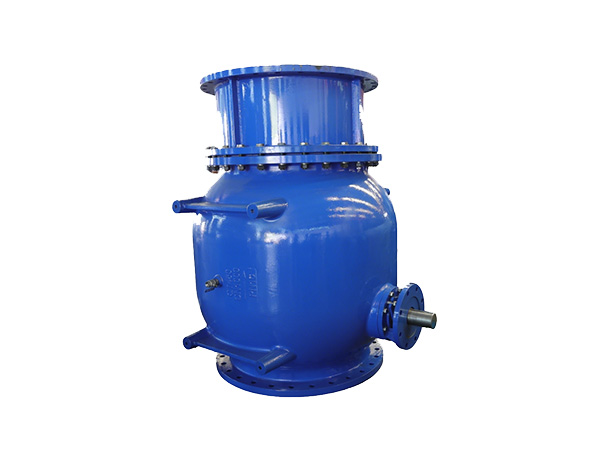
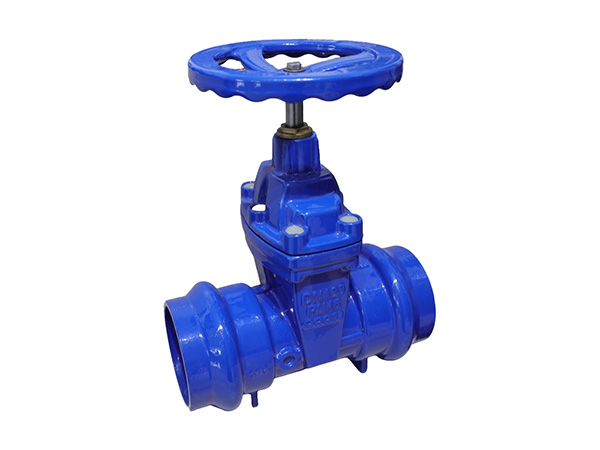
A typical hydraulic control valve consists of several critical elements: the valve body housing internal passages, spools or poppets that regulate flow, actuators (manual, solenoid, or pilot-operated), and seals that prevent leakage. High-quality materials such as cast iron, stainless steel, and specialized alloys ensure durability under demanding operating conditions including high pressures exceeding 5,000 PSI and temperatures ranging from -40°C to 120°C.
Types of Hydraulic Control Valves
Hydraulic control valves are categorized based on their primary function:
Directional control valves – Manage the flow path, determining which circuit receives fluid
Pressure control valves – Regulate system pressure including relief, reducing, and sequence valves
Flow control valves – Adjust flow rate to control actuator speed with precision
Each type addresses specific operational requirements, with selection dependent on system architecture and performance objectives.
Working Principles and Operation
Understanding how hydraulic control valves function requires examining their internal mechanics. When actuated, the valve's spool or poppet moves to open, close, or restrict flow passages. In a directional control valve, for instance, a spool shifts position to route fluid to different ports, reversing cylinder direction. Pressure control valves utilize spring-loaded mechanisms that open when system pressure exceeds preset thresholds, protecting components from damage.
Industrial Applications and Use Cases
Hydraulic control valves serve diverse industrial sectors:
Construction equipment – Excavators, loaders, and cranes require precise motion control
Manufacturing automation – Press machines and injection molding systems demand accurate pressure regulation
Marine and offshore – Ship steering systems and offshore drilling platforms depend on reliable valve performance
Power generation – Turbine control systems utilize sophisticated valve configurations
Industry data indicates that proper valve selection can improve system efficiency by 15-25% while reducing maintenance intervals significantly.
Selection Criteria for Optimal Performance
Choosing the appropriate hydraulic control valve involves evaluating multiple factors: operating pressure and flow requirements, response time specifications, environmental conditions (temperature, contamination levels), and compatibility with system fluids. Engineers should also consider valve sizing, as undersized valves create excessive pressure drops while oversized units reduce control precision and increase costs.
Maintenance and Troubleshooting Best Practices
Proactive maintenance extends hydraulic control valve service life. Regular inspection of seals, monitoring for contamination in hydraulic fluid, and verification of actuator response ensure reliable operation. Common issues include spool sticking due to contamination, seal degradation causing internal leakage, and solenoid failure in electrically actuated valves. Implementing filtration systems and maintaining fluid cleanliness to ISO 4406 standards prevents up to 80% of valve-related failures.
Emerging Trends and Technologies
The evolution of hydraulic control valves continues with advancements in proportional and servo valve technology, enabling electronic control with feedback loops for unprecedented precision. Smart valves incorporating IoT sensors provide real-time monitoring of performance parameters, predictive maintenance alerts, and integration with Industry 4.0 platforms. These innovations support the transition toward more efficient, data-driven hydraulic systems.
FAQ
What is the difference between a directional and pressure control valve?
A directional control valve manages the flow path of hydraulic fluid, directing it to specific circuits or actuators. A pressure control valve regulates system pressure, opening or closing based on preset pressure thresholds to protect components and maintain safe operation.
How do I determine the correct size for a hydraulic control valve?
Valve sizing requires calculating flow requirements (GPM or LPM) and acceptable pressure drop across the valve. Manufacturers provide flow coefficient (Cv) data to match valve capacity with system demands. Consult engineering specifications and consider factors such as maximum operating pressure and response time requirements.
What causes hydraulic control valve failure?
Primary causes include fluid contamination leading to spool wear and sticking, seal degradation from temperature extremes or incompatible fluids, and mechanical fatigue from cyclic loading. Regular fluid analysis and maintenance significantly reduce failure rates.
Can hydraulic control valves be repaired or should they be replaced?
Many hydraulic control valves are serviceable, with replaceable seals, spools, and actuators. Complex proportional or servo valves may require factory refurbishment. Evaluate repair cost versus replacement, considering downtime implications and system criticality.
What maintenance interval is recommended for hydraulic control valves?
Maintenance intervals depend on operating conditions, fluid cleanliness, and duty cycle. For industrial applications, quarterly inspections and annual seal replacement are typical. Systems operating in harsh environments or with high duty cycles may require more frequent attention.
Conclusion
Hydraulic control valves represent critical components in industrial fluid power systems, enabling precise control of flow, pressure, and direction. Understanding valve types, operating principles, and selection criteria empowers engineers and procurement professionals to specify optimal solutions for their applications. With proper maintenance and attention to fluid cleanliness, these components deliver reliable performance across thousands of operating hours. As technology advances, smart valve solutions offer enhanced monitoring and control capabilities, supporting the evolution toward more efficient and intelligent hydraulic systems.
References
Merritt, H. E. (1967). Hydraulic Control Systems. John Wiley & Sons.
Chapple, J. (2002). Principles of Hydraulic Systems Design. Penton Media.
Esposito, A. (2013). Fluid Power with Applications. Pearson Education.
International Organization for Standardization. (2021). ISO 4406:2021 Hydraulic Fluid Power – Fluids – Method for Coding the Level of Contamination by Solid Particles.
 HOT PRODUCT
 CONTACT US